What Is an Estate Freeze? A Simple Guide for Owners
Discover what an estate freeze is, how it works, and why business owners use it to lock in today’s value and pass future growth to the next generation.
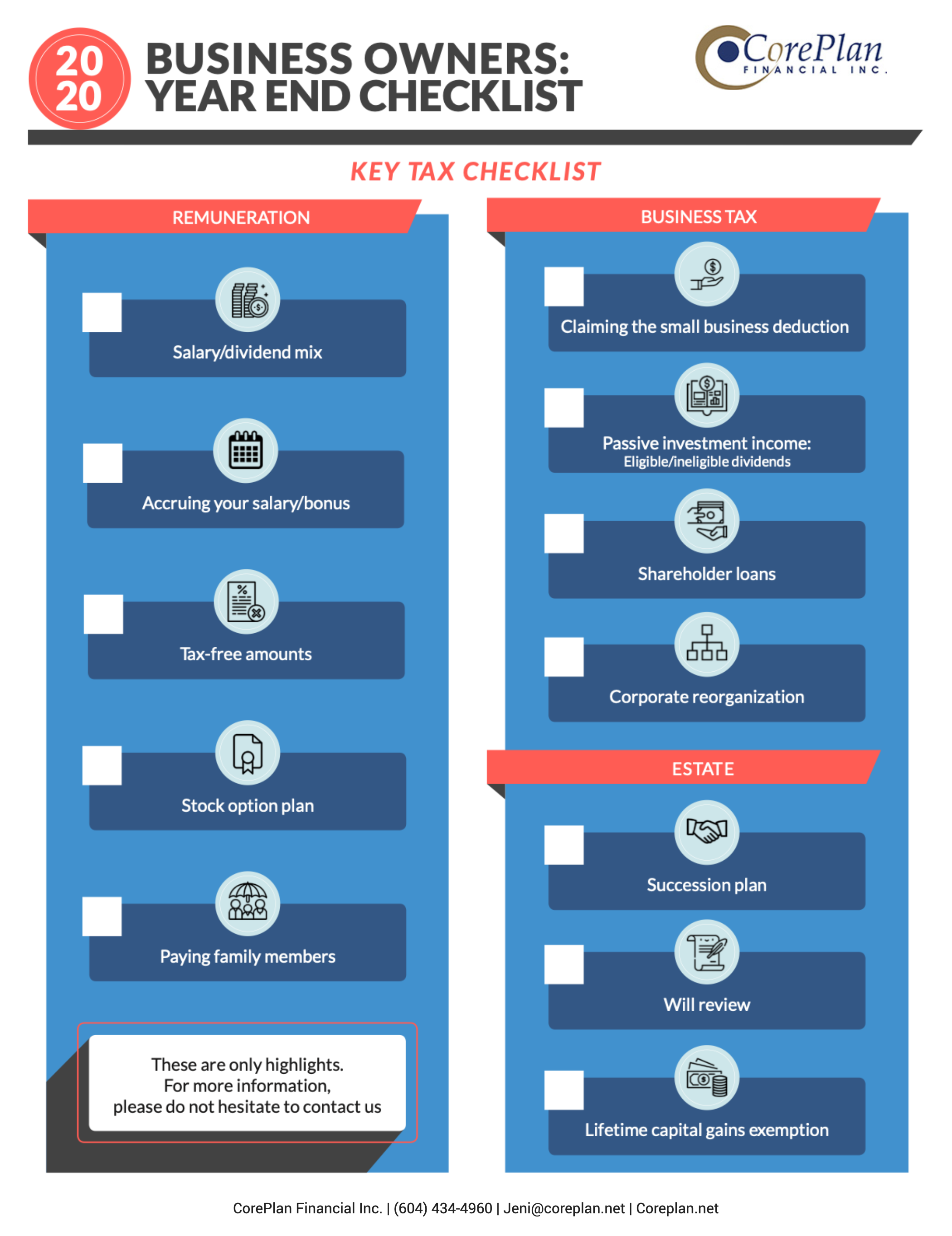
Now that we’re approaching the end of the year, it’s time to review your business finances. We’ve highlighted the most critical tax-planning tips you need to know as a business owner.
As a business owner, an essential part of tax planning is determining if you receive salary or dividends from the business.
When you’re paid a salary, the corporation can claim an income tax deduction, which reduces its taxable income. You include this pay in your personal taxable income. You’ll also create Registered Retirement Savings Plan (RRSP) contribution room.
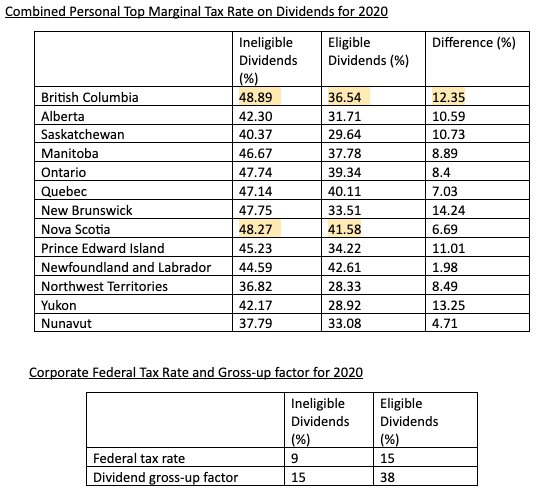
The alternative is the corporation can distribute a dividend to you. The corporation must pay tax on its corporate income and can’t claim the dividend distributed as a deduction. However, because of the dividend tax credit, the dividend typically pays a lower tax rate (than for salary) on eligible and non-eligible dividends.
In addition to paying yourself, you can consider paying family members. These are the main options you can consider when determining how to distribute money from your business:
Pay a salary to family members who work for your business and are in a lower tax bracket. This enables them to declare an income so that they can contribute to the CPP and an RRSP. You must be able to prove the family members have provided services in line with the amount of compensation you give them.
Pay dividends to family members who are shareholders in your company. The amount of dividends someone can receive without paying income tax on them will vary depending on the province or territory they live in.
Distribute money from your business via income sprinkling, which is shifting income from a high-tax rate individual to a low-rate tax individual. However, this strategy can cause issues due to tax on split income (TOSI) rules. A tax professional can help you determine the best way to “income sprinkle” so none of your family members are subject to TOSI.
Keep money in the corporation if neither you nor your family members need cash. Taxes can be deferred if your corporation retains income and the corporation’s tax rate is lower than your tax rate.
No matter what strategy you take to distribute money from your business, keep in mind the following:
Your marginal tax rate as the owner-manager.
The corporation’s tax rate.
Health and payroll taxes
How much RRSP contribution room do you have?
What you’ll have to pay in CPP contributions.
Other deductions and credits you’ll be eligible for (e.g., charitable donations or childcare or medical expenses).

Another important part of year-end tax planning is determining appropriate ways to handle compensation. Compensation is financial benefits that go beyond a base salary.
These are the main things to consider when determining how you want to handle compensation:
Can you benefit from a shareholder loan? A shareholder loan is an agreement to borrow funds from your corporation for a specific purpose and offers deductible interest.
Do you need to repay a shareholder loan to avoid paying personal income tax on your borrowed amount?
Is setting up an employee profit-sharing plan a better way to disburse business profits than simply paying a bonus?
Keep in mind that when an employee cashes out a stock option, only one party (the employee OR the employer) can claim a tax deduction on the cashed-out stock option.
Consider setting up a retirement compensation arrangement (RCA) to help fund your or your employee’s retirement.
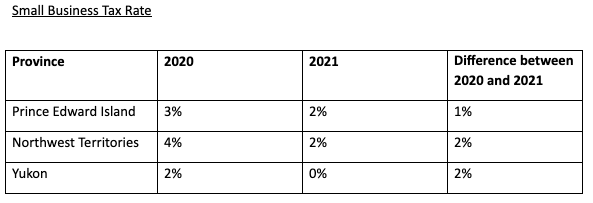
One of the most common tax advantages available to Canadian-controlled private corporations (CCPC) is the first $500,000 of active business income in a CCPC qualifies for the small business deduction (SBD), which reduces the corporate tax rate by 12 to 21 percent, depending on the province or territory.
With the SBD, you can reduce your corporate tax rate, but remember that the SBD will be reduced by five dollars for every dollar of passive investment income over $50,000 your CCPC earned the previous year.
The best way to avoid losing any SBD is to ensure that the passive investment income within your associated corporation group does not exceed $50,000.
These are some of the ways you can make sure you preserve your access to the SBD:
Defer the sale of portfolio investments as necessary.
Adjust your investment mix to be more tax efficient. For example, you could hold more equity investments than fixed-income investments. As a result, only 50% of the gains realized on shares sold are taxable, but investment income earned on bonds is fully taxable.
Invest excess funds in an exempt life insurance policy. Any investment income earned on an exempt life insurance policy is not included in your passive investment income total.
Set up an individual pension plan (IPP). An IPP is like a defined benefit pension plan and is not subject to the passive investment income rules.

Consider speeding up the purchase of depreciable assets for year-end tax planning. A depreciable asset is a capital property on which you can claim Capital Cost Allowance (CCA).
Here’s how to make the most of tax planning with depreciable assets:
Make use of the Accelerated Investment Incentive. This incentive makes some depreciable assets eligible for an enhanced first-year allowance.
Purchase equipment such as zero-emissions vehicles and clean energy equipment eligible for a 100 percent tax write-off.
Consider postponing the sale of a depreciable asset if it will result in recaptured depreciation for your 2022 taxation year.
Qualified Small Business Corporation (QSBC) Share Status
Ensure your corporate shares are eligible to get you the $913,630 (for 2022) lifetime capital gains exemption (LCGE). The LCGE is $1,000,0000 for dispositions of qualified farm or fishing property.
Suppose you sell QSBC shares scheduled to close in late December 2022 to January 2023. In that case, you may want to consider deferring the sale to access a higher LCGE of $971,190 for 2023 and therefore defer the tax payable on any gain arising from the sale.
Consider taking advantage of the LCGE and restructuring your business to multiply access to the exemption with other family members. But, again, you should discuss this with us, your accountant and legal counsel to see how this can benefit you.
Another essential part of tax planning is to make all your donations before year-end. This applies to both charitable donations and political contributions.
For charitable donations, you need to consider the best way to make your donations and the different tax advantages of each type of donation. For example, you can:
Donate Securities
Give a direct cash gift to a registered charity
Use a donor-advised fund account at a public foundation. A donor-advised fund is like a charitable investment account.
Set up a private foundation to solely represent your interests.
We can help walk you through the tax implications of these types of charitable donations.
Get year-end tax planning help from someone you can trust!
We’re here to help you with your year-end tax planning. So book a meeting with us today to learn how you can benefit from these tax tips and strategies.
Being a self-employed contractor can bring you a large cash flow and the satisfaction of being your own boss – but it can also make financial planning more complicated than being an employee.
When creating a financial plan, Self-employed contractors need to keep the following in mind:
The best way to ensure you’ve got a solid financial plan is to work with a good team who has your best interests in mind. No matter what aspect of financial planning you are interested in – from tax planning to succession planning – we can help you get started. So call us or contact us online today to get started!
You have worked long and hard to build up your business, and now you are ready to withdraw money from your business’ bank account. But you don’t want to get hit with a huge tax bill. So here are 5 ways to withdraw money from your business in a tax-efficient manner.
1) Pay Yourself And Your Family Members
You can pay yourself a salary from your business and pay any family members who work in your business. However, the salary you pay family members must not be excessive – it must be in line with what they would receive for doing the same work elsewhere.
You and your family members will be taxed at the regular personal marginal tax rates on your salaries. However, your corporation can make a deduction based on salaries paid when determining taxable income.
2) Pay Out Taxable Dividends
You can use dividends to distribute money from your corporation to both yourself and family members if everyone holds shares in your corporation. However, when distributing dividends to a shareholder, it is critical to consider both the tax on split income (TOSI) rules and the corporate attribution rules before any distribution is made.
TOSI rules – Under the current income tax rules, the TOSI applies the highest marginal tax rate (currently 33%) to “split income” of an individual under the age of 18. In general, an individual’s split income includes certain taxable dividends, taxable capital gains and income from partnerships or trusts. – Canada.ca
Corporate attribution rules – Corporate attribution rules may result in additional tax if a transfer or loan to a corporation is made to shift income to another family member. This can result in additional tax for the individual making the transfer or loan.
3) Pay Out Capital Dividends
Another way to pay out dividends is via your corporation’s capital dividend account (CDA). Money in your corporation’s CDA can be dispersed to Canadian resident shareholders as a tax-free dividend, but be sure you are clear on what can legally be allowed in your CDA before you do this.
4) Adjust Your Salary And Dividend Mix
Keeping the right mix when paying yourself a salary and paying yourself via dividends is essential. You need to consider various factors – such as your cash flow needs, earned income for RRSP contributions, and any impact on taxes and other regulatory requirements – paying out salaries and dividends can have.
5) Repay Any Outstanding Shareholder Loans
If you loaned money to your company in the form of a shareholder loan, now may be the time to have your company repay that loan. Any money you receive to settle your shareholder loan will be paid to you as a tax-free distribution.
The Takeaway
Regardless of why you need to take cash out of your business, it is crucial to plan how to withdraw the money so you can do it in the most tax-efficient manner possible. Unfortunately, there is no one-size-fits-all solution for this, which is why talking to a professional advisor is so important.
We can help design a tax-optimized compensation strategy for you. Contact us to set up a meeting today!

Working at an organization that offers a pension plan is one of the greatest financial advantages a Canadian can enjoy. Pension plans are designed to provide retirement income and help employees reach their retirement goals and for business owners- help retain key employees.
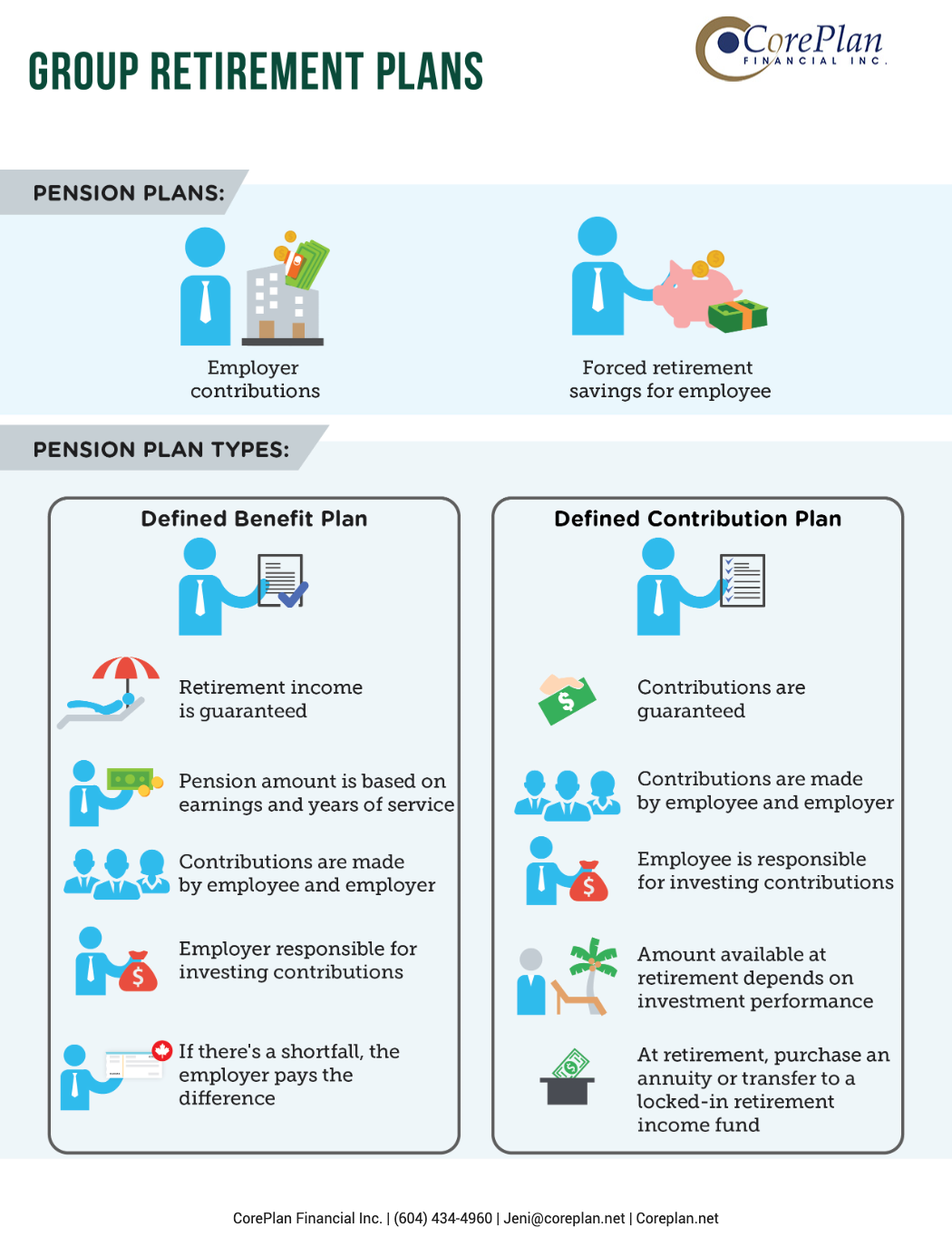
Pension plans can offer:
Employer contributions
Forced retirement savings for employee
There are 2 main types of pension plan:
Defined Benefit Plan
Defined Contribution Plan
Defined Benefit Plan
Retirement income is guaranteed, contributions are not.
The pension amount is based on a formula that includes the employee’s earnings and years of service with the employer
Usually, contributions are made by the employee and employer
The employer is responsible for investing the contributions to ensure there’s enough money to pay the future pensions for all plan members.
If there’s a shortfall, the employer pays the difference.
Defined Contribution Plan
Contributions are guaranteed, retirement income is not.
Usually, contributions are made by the employee and employer.
The employee is responsible for investing all contributions.
The amount available in retirement depends on how the investment performs including total contributions.
At retirement, the money in the account can be used to generate retirement income through purchasing an annuity or transferring the amount to a locked-in retirement income fund.
In summary, a defined benefits plan guarantees you a retirement income and a defined contribution plan guarantees contributions but not retirement income.
Talk to us, we can help.
-CorePlan-Financial%20Inc.-KeaDeGTTWDWwPNKPB.png)
Now that we’re approaching the end of the year, it’s time to review your business finances. We’ve highlighted the most critical tax-planning tips you need to know as a business owner.
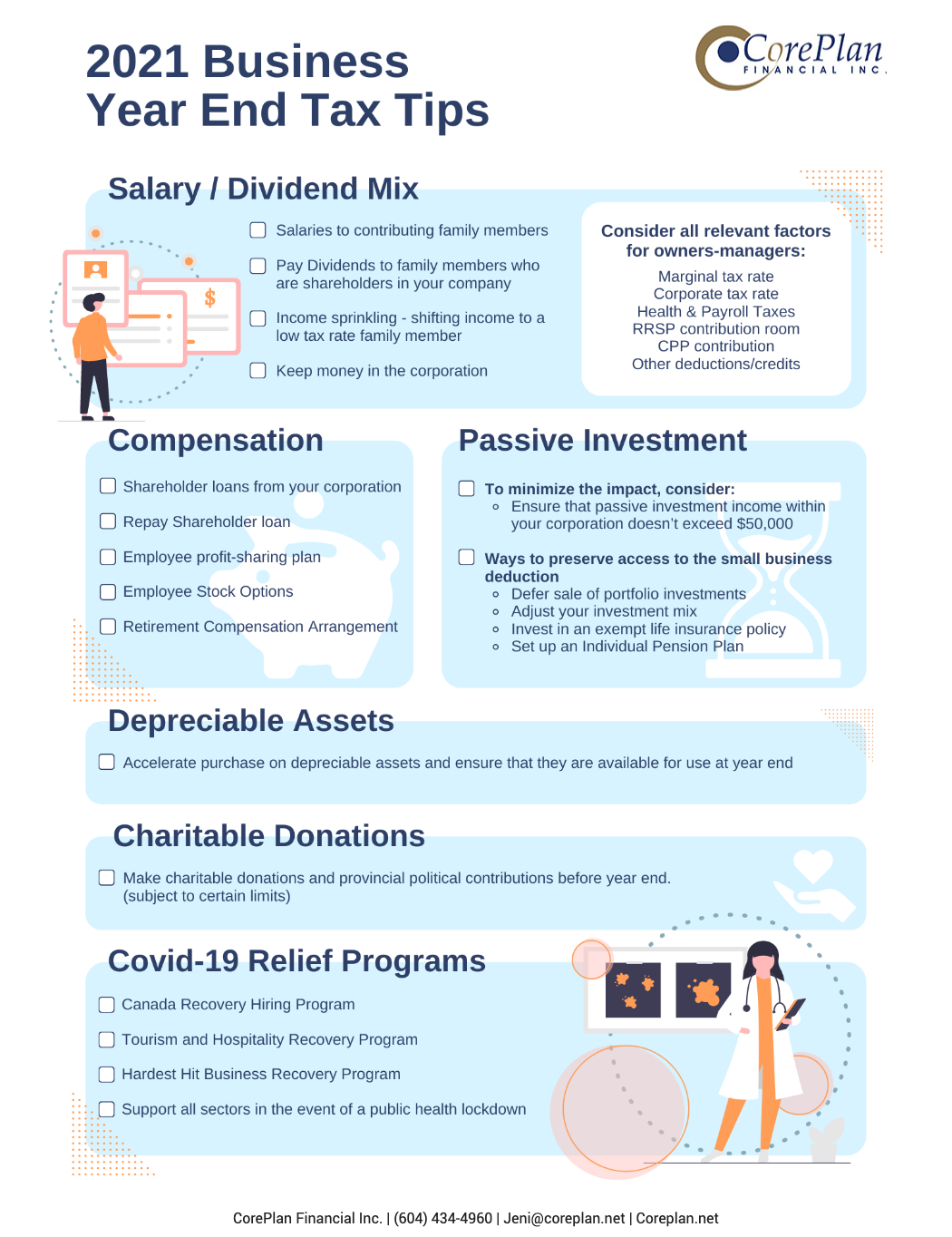
Salary and Dividend Mix
As a business owner, one essential part of tax planning is determining the right mix of salary and dividends for both yourself and your family members.
The following are the main options you can consider when determining how to distribute money from your business:
Pay a salary to family members who work for your business and are in a lower tax bracket – This enables them to declare an income so that they can contribute to the Canada Pension Plan (CPP) and a Registered Retirement Savings Plan (RRSP). You must be able to prove the family members have provided services in line with the amount of compensation provided.
Pay dividends to family members who are shareholders in your company – The amount of dividends someone can receive without paying income tax on them will vary depending on the province or territory they live in.
Distribute money from your business via income sprinkling – This is shifting income from a high-tax rate individual to a low-rate tax individual. However, this strategy can cause issues due to Tax On Split Income (TOSI) rules. A tax professional can help you determine the best way to “income sprinkle” so none of your family members are subject to TOSI.
Keep money in the corporation if neither you nor your family members need cash – Taxes can be deferred if your corporation retains income and the corporation’s tax rate is lower than your personal tax rate.
No matter what strategy you take to distribute money from your business, keep in mind the following:
Your marginal tax rate as the owner-manager.
The corporation’s tax rate.
Health and payroll taxes.
How much RRSP contribution room do you have.
What you’ll have to pay in CPP contributions.
Other deductions and credits you’ll be eligible for (e.g., charitable donations or childcare or medical expenses).
Compensation
An important part of year-end tax planning is determining appropriate ways to handle compensation. The following are the main things to consider:
Can you benefit from a shareholder loan? A shareholder loan is an agreement to borrow funds from your corporation for a specific purpose. The interest from the loan may be deductible if the proceeds of the shareholder loan were used to produce income from business or property.
Do you need to repay a shareholder loan to avoid paying personal income tax on the amount you borrowed?
Is setting up an employee profit-sharing plan a better way to disburse business profits than simply paying out a bonus?
Keep in mind that when an employee cashes out a stock option, only one party (the employee OR the employer) can claim a tax deduction on the cashed-out stock option.
Think about setting up a Retirement Compensation Arrangement (RCA) to help fund you or your employee’s retirement.
Passive Investments
One of the most common tax advantages available to Canadian-Controlled Private Corporations (CCPC) is the Small Business Deduction (SBD).
For qualifying businesses, the SBD reduces your corporate tax rate. Keep in mind that the SBD will be reduced by five dollars for every dollar of passive investment income over $50,000 your CCPC earned the previous year.
The best way to avoid losing any of the SBD is to make sure that the passive investment income within your associated corporation group does not exceed $50,000.
These are some of the ways you can make sure you preserve your access to the SBD:
Defer the sale of portfolio investments as necessary.
Adjust your investment mix to be more tax efficient. For example, you could choose to hold more equity investments than fixed-income investments. Only 50% of the gains realized on shares sold is taxable, but investment income earned on bonds is fully taxable.
Invest excess funds in an exempt life insurance policy. Any investment income earned on an exempt life insurance policy is not included in your passive investment income total.
Set up an individual pension plan (IPP). An IPP is like a defined benefit pension plan and is not subject to the passive investment income rules.
Depreciable Assets
Another tactic you should consider for year-end tax planning is to hasten your purchase of any depreciable assets. A depreciable asset is a type of capital property that you can claim the Capital Cost Allowance (CCA) on.
These are two of the best ways to make the most of tax planning with depreciable assets:
Make use of the Accelerated Investment Incentive. With this incentive, some depreciable assets are eligible for an enhanced first-year allowance.
Purchase equipment such as zero-emissions vehicles and clean energy equipment eligible for a 100 percent tax write-off.
Donations
Another essential part of tax planning is to make all of your donations before year-end. This applies to both charitable donations and political contributions.
For charitable donations, you need to consider the best way to make your donations and the different tax advantages of each type of donation. For example, you can:
Donate securities.
Give a direct cash gift to a registered charity.
Use a donor-advised fund account at a public foundation. A donor-advised fund is like a charitable investment account.
Set up a private foundation to solely represent your interests.
We can help walk you through the tax implications of each of these types of charitable donations.
Make the Most of Covid-19 Relief Programs
While some COVID-19 relief programs, such as the Canada Emergency Wage Subsidy (CEWS) and Canada Emergency Rent Subsidy (CERS) have ended, others are still available. See if your business can benefit from any of the following relief programs:
Canada Recovery Hiring Program (CRHP). This program will continue to run until May 2022. If your business is eligible and continues to experience a decline in revenues as compared to pre-pandemic levels. In that case, the CRHP will provide support to assist in hiring new staff or increasing the wages of your existing staff.
Tourism and Hospitality Recovery Program. This new program provides wage and rent support to eligible businesses such as hotels and restaurants with an average monthly revenue reduction of at least 40% over the first 13 qualifying periods for the CEWS and a current month revenue loss of at least 40%.
Hardest Hit Business Recovery Program. This provides rent and wage support of up to 50% for eligible entities. Eligible entities must meet two conditions – an average monthly revenue reduction of at least 50% over the first 13 qualifying periods for the CEWS and a current month revenue loss of at least 50%.
General support in the event of a public health lockdown. If there is a public health lockdown and your business loses sufficient revenue, your business would be eligible for support at the same subsidy rates as the Tourism and Hospitality Recovery Program.
Know what’s included as taxable income. If you received assistance from the government assistance programs, including the CEWS, CERS, and CRHP, this assistance is taxable as income.
Get year-end tax planning help from someone you can trust!
We’re here to help you with your year-end tax planning. Book some time with us today to learn how you can benefit from these tax tips and strategies.

Getting into the world of business is a meticulous task, but so is getting out of it
Whether you’ve just hit the ground running on your business or if you’ve been at it for a long time, there is no better time to plan your exit strategy than now. Although the process may seem taxing, we’ve answered a few questions you may have about planning your business succession strategy.
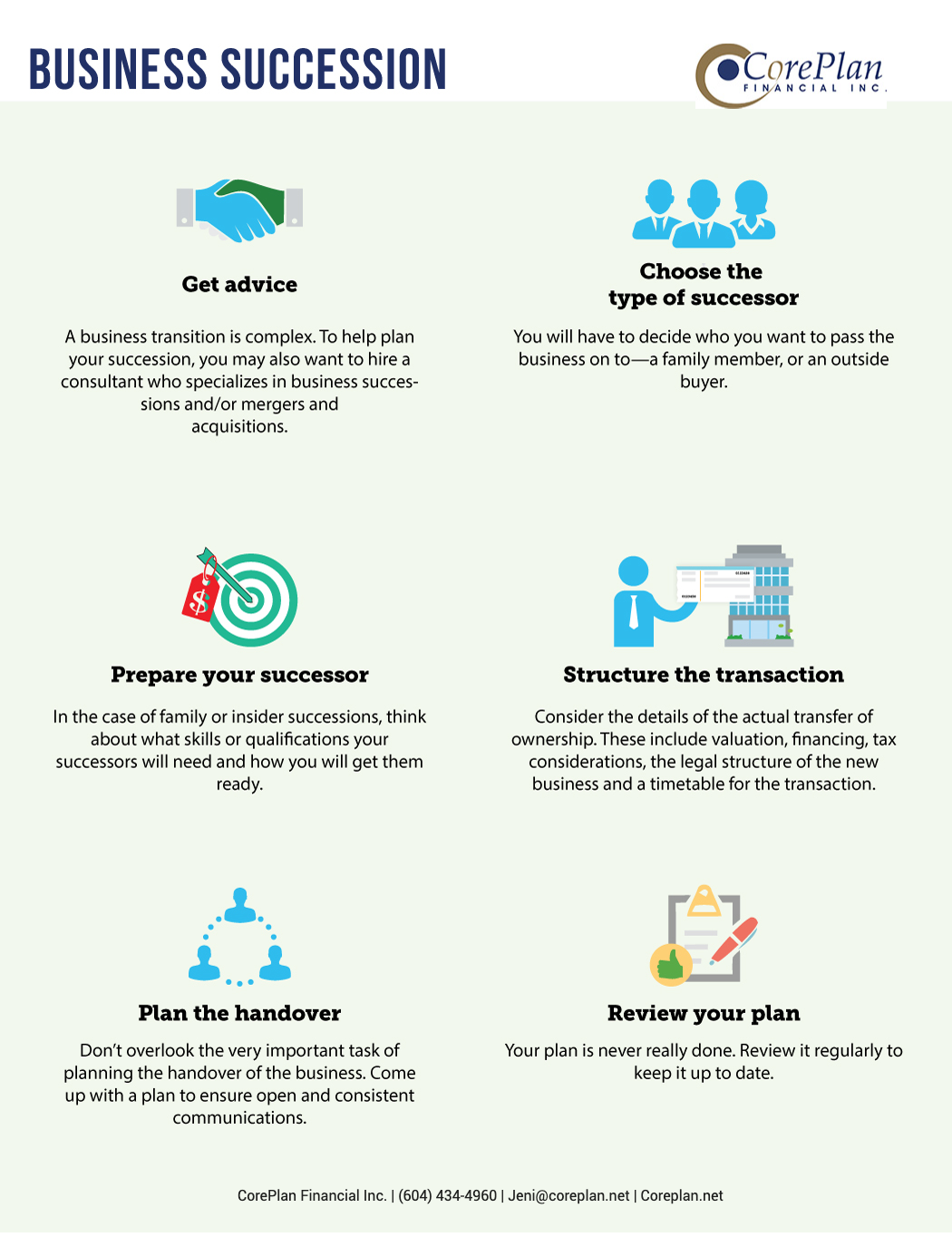
1. Who do I talk to about this?
Deciding on how to go about the transition requires careful planning, and you need to consult no less than people who are well equipped to help you out. First, talk to your key advisors such as bankers and financial partners. You could also use some advice from your accountant and lawyers. If your company has an advisory board, better consult them as well. You may also hire a specialist or a consultant, depending on how you choose to go about your business succession plan.
2. Who should I choose as a successor?
There are several ways to go about this, and your decision will ultimately be your personal choice. You may pass on your business to a family member or to your top executives or managers. You may also choose to sell it to an outsider. Whichever path you choose, you can also decide on how much you want to be involved in the business after you pass it on. That is, if you want to be involved at all.
3. When should I inform my successor about my plans?
While a surprise inheritance may be heartwarming, it’s not the same with inheriting a business. Getting a successor ready—whether it’s a family member or someone from your company—requires careful planning and training. As soon as you’ve chosen a successor, better get started on getting them ready for the big shoes they’re about to fill. This includes helping them equip themselves with the necessary skills, knowledge, and qualifications necessary to run your business.
4. How do I plan the transition itself?
The transition will be twofold—transferring ownership and handing over the business itself. As far as transferring ownership is concerned, you need to consider legal and financial details. These include valuation, financing and taxation. You also need to consider if you wish to keep your current legal structure (corporation, sole prop, partnership, etc.) or if you (or your successor) would like to change it. You also need to plan how to prepare various stakeholders in the business for the transition. How will you prepare your customers, clients, and employees? What would be their level of involvement? Make sure that you put different strategies in place in order to ensure transparency and consistency in communicating changes in your business, especially something as drastic as succession.
5. Now that I have a business succession plan ready, can I go back to business as usual?
Not really. Your business and your customers’ needs may change over time. This means that you need to keep reviewing and adjusting your plan as your business also evolves.

Business owners deal with a unique set of challenges. One of these challenges includes succession planning. A succession plan is the process of the transfer of ownership, management and interest of a business. When should a business owner have a succession plan? A succession plan is required through the survival, growth and maturity stage of a business. All business owners, partners and shareholders should have a plan in place during these business stages.
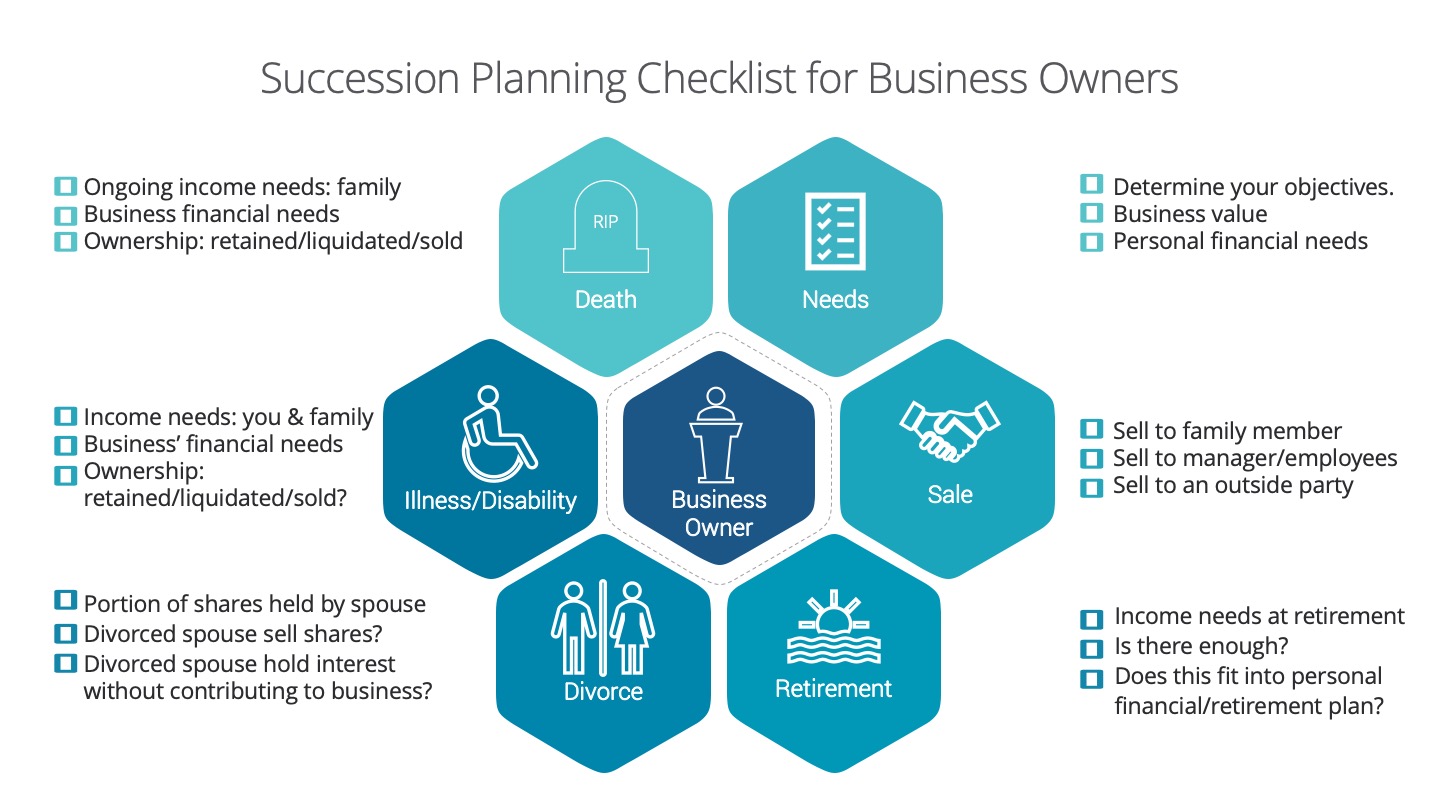
We created this infographic checklist to be used as a guideline highlighting main points to be addressed when starting to succession plan.
Needs:
Determine your objectives- what do you want? For you, your family and your business. (Business’ financial needs)
What are your shares of the business worth? (Business value)
What are your personal financial needs- ongoing income needs, need for capital (ex. pay off debts, capital gains, equitable estate etc.)
There are 2 sets of events that can trigger a succession plan: controllable and uncontrollable.
Controllable events
Sale: Who do you sell the business to?
Family member
Manager/Employees
Outside Party
There are advantages and disadvantages for each- it’s important to examine all channels.
Retirement: When do you want to retire?
What are the financial and psychological needs of the business owner?
Is there enough? Is there a need for capital to provide for retirement income, redeem or freeze shares?
Does this fit into personal/retirement plan? Check tax, timing, corporate structures, finances and family dynamics. (if applicable)
Uncontrollable Events
Divorce: A disgruntled spouse can obtain a significant interest in the business.
What portion of business shares are held by the spouse?
Will the divorced spouse consider selling their shares?
What if the divorced spouse continues to hold interest in the business without understanding or contributing to the business?
If you have other partners/shareholders- would they consider working with your divorced spouse?
Illness/Disability: If you were disabled or critically ill, would your business survive?
Determine your ongoing income needs for you, your spouse and family. Is there enough? If there is a shortfall, is there an insurance or savings program in place to make up for the shortfall amount?
Will the ownership interest be retained, liquidated or sold?
How will the business be affected? Does the business need capital to continue operating or hire a consultant or executive? Will debts be recalled? Does the business have a savings or insurance program in place to address this?
Death: In the case of your premature death, what would happen to your business?
Determine your ongoing income needs for your dependents. Is there enough? If there is a shortfall, is there an insurance or savings program in place to make up for the shortfall amount?
Will the ownership interest be retained, liquidated or sold by your estate? Does your will address this? Is your will consistent with your wishes? What about taxes?
How will the business be affected? Does the business need capital to continue operating or hire a consultant or executive? Will debts be recalled? How will this affect your employees? Does the business have a savings or insurance program in place to address this?
Execution: It’s good to go through this with but you need to get a succession plan done. Besides having a succession plan, make sure you have an estate plan and buy-sell/shareholders’ agreement.
Because a succession plan is complex, we suggest that a business owner has a professional team to help. The team should include:
Financial Planner/Advisor (CFP)
Succession Planning Specialist
Insurance Specialist
Lawyer
Accountant/Tax Specialist
Chartered Life Underwriter (CLU)
Contact us about helping you get your succession planning in order so you can gain peace of mind that your business is taken care of.

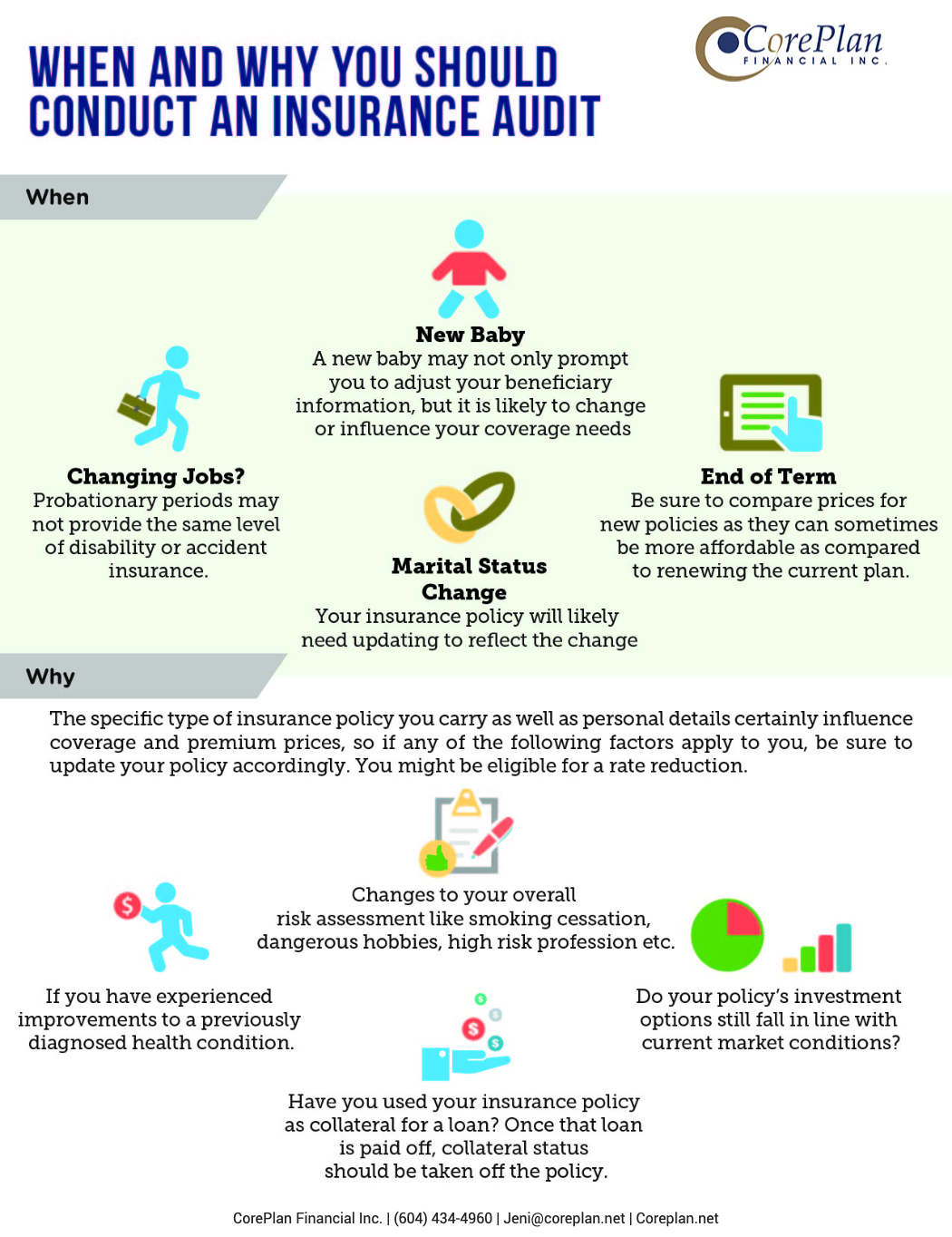
As our lives grow and change with variable circumstances, new additions, and job transitions, our needs for insurance will also evolve. Additionally, economic fluctuations and external circumstances that influence your insurance policy will need frequent re-evaluation to ensure that you are making the most appropriate and financially favorable decisions. Perhaps you aren’t sure whether you should conduct an insurance audit or not. The following scenarios are usually a good indication that you should thoroughly assess and review your current policy contract:
Bringing new life into your family? A new baby may not only prompt you to adjust your beneficiary information, but it is likely to change or influence your coverage needs.
Changing jobs? Probationary periods may not provide the same level of disability or accident insurance.
Is your policy nearing the end of its term? Be sure to compare prices for new policies as they can sometimes be more affordable as compared to renewing the current plan.
Has your marital status changed? Your insurance policy will likely need updating to reflect such.
The specific type of insurance policy you carry as well as personal details certainly influence coverage and premium prices, so if any of the following factors apply to you, be sure to update your policy accordingly. You might be eligible for a rate reduction.
Changes to your overall risk assessment like smoking cessation, dangerous hobbies, high risk profession etc.
If you have experienced improvements to a previously diagnosed health condition.
Do your policy’s investment options still fall in line with current market conditions?
Have you used your insurance policy as collateral for a loan? Once that loan is paid off, collateral status should be taken off the policy.
Insurance policies generated for business purposes should also be regularly reviewed to make sure the policy still offers adequate coverage to meet the needs of the company and includes the appropriate beneficiary information. With life happening so quickly, it can be easy to forget about keeping insurance policies up to date, however, major changes can have a profound impact on coverage and premiums. Be sure to conduct insurance audits often to ensure your policies are still meeting your needs.
Contact us to see how we can help.
For the 2020 tax year, the Government of Canada introduced a temporary flat rate method to allow Canadians working from home this year due to Covid-19 to claim expenses of up to $400. Taxpayers will still be able to claim under the existing rules if they choose using the detailed method.
From the canada.ca website:
Each employee working from home who meets the eligibility criteria can use the temporary flat rate method to calculate their deduction for home office expenses.
To use this method to claim the home office expenses you paid, you must meet all of the following conditions:
You worked from home in 2020 due to the COVID-19 pandemic
You worked more than 50% of the time from home for a period of at least four consecutive weeks in 2020
You are only claiming home office expenses and are not claiming any other employment expenses
Your employer did not reimburse you for all of your home office expensesWhat if your employer has reimbursed you for some of your home office expenses
You need to meet all of the above conditions to be eligible to use the Temporary flat rate method.
For the detailed method, the CRA has expanded the list of eligible expenses that can be claimed as work-space-in-the-home expenses to include reasonable home internet access fees. A comprehensive list of eligible home office expenses has also been created.
602 – 4211 Kingsway
Burnaby, BC
V5H 1Z6
Phone: (604) 434-4960
Toll Free: 1 (866) 434-4960
Fax: (604) 434-4906
Email: jeni@coreplan.net
2 – 11116 100th Ave.
Fort St. John, BC
V1J 1Z8
Phone: (250) 785-9603
Toll Free: 1 (877) 461-5140
Fax: 1 (888) 453-3277
Email: dean@coreplan.net
CI Assante Wealth Management Ltd. operates as CI Assante Wealth Management, a dual-registered firm offering investment, mutual fund, and exempt-market products and services.
Wealth Planning services may be provided by an accredited advisor of CI Assante Wealth Management or CI Assante Private Client (a division of CI Private Counsel LP) and in some cases, by a non-affiliated third party. Insurance products and services are offered through Assante Estate and Insurance Services Inc.
CI Assante Wealth Management Ltd. is a member of the Canadian Investment Regulatory Organization and Canadian Investor Protection Fund.
By providing your email address, you provide us with your express consent to send you commercial electronic messages related to finances and/or investments that may be of interest to you. Should you wish to discontinue receiving emails of this nature, you may contact us at jeni@coreplan.net to withdraw your consent at any time.